In The Atlantic:

The Redemption of Sinead O’Connor

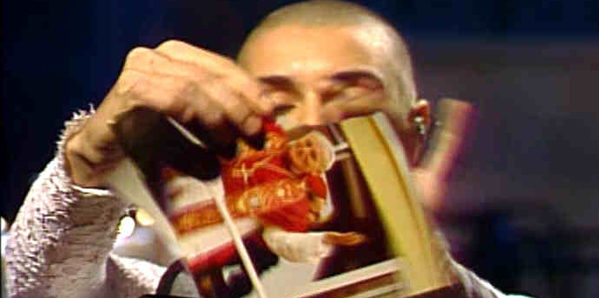
Twenty years ago today, Sinead O’Connor tore up a picture of the pope on Saturday Night Live—and the media largely misunderstood why. Is America finally ready to hear her out?

NBC

In the weeks and months after Sinead O’Connor tore up a picture of Pope John Paul II on live television, commentators in the media sought to explain the motives of her protest. Very few, however, made use of the traditional tools of journalism: interviews, research, and textual analysis. Instead, most commentators seem to have consulted their own imaginations.

Read more in The Atlantic>

In Slate:

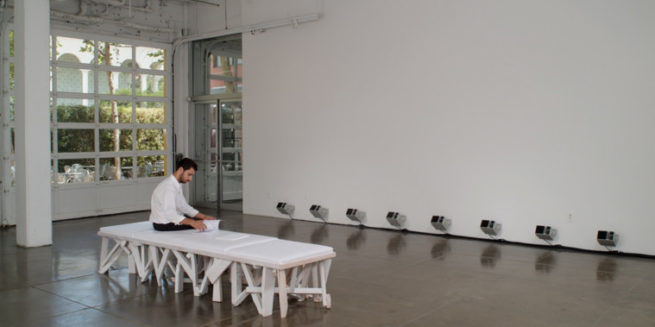
What Will Become of the Paper Book?

How their design will evolve in the age of the Kindle.

2012_05_07_book1_benjpaperback_nostroke.jpg.CROP.article568-large
Book designed and photographed by David Pearson.

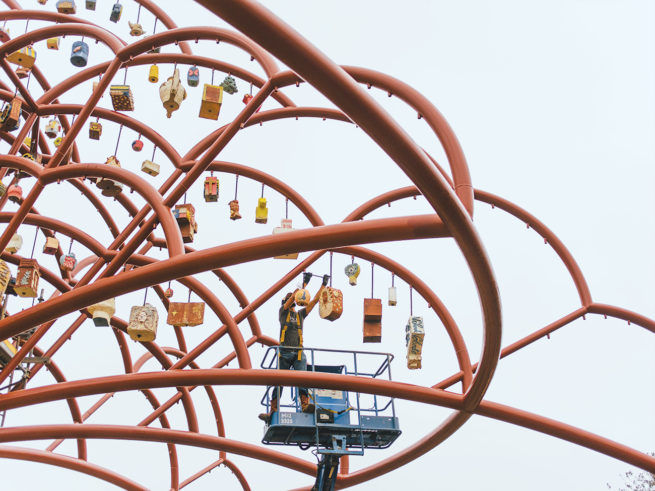
Bookshelves will survive in the homes of serious digital-age readers, but their contents will be much more judiciously curated. The next generation of paper books will likely rival the art hanging beside them on the walls for beauty, expense, and “aura”—for better or for worse.

Read more in Slate>

In The Atlantic:

The Last Book Sale
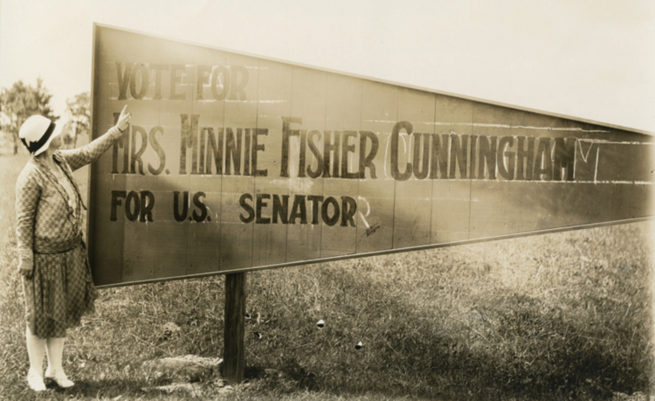
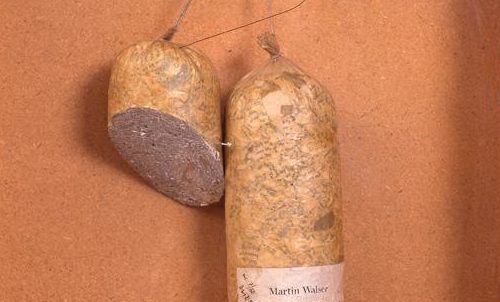
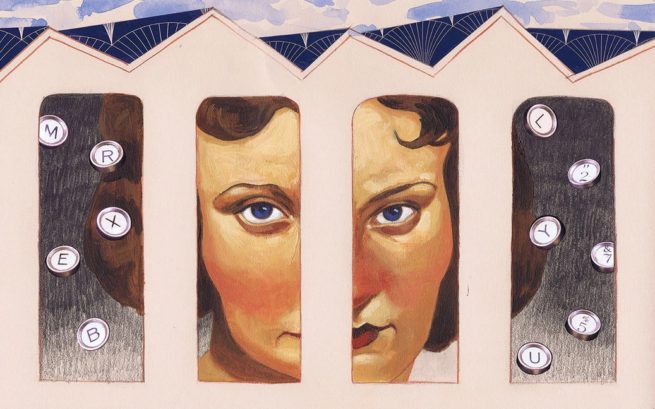
Larry McMurtry’s used book store sold off three quarters of its stock at an auction earlier this month: Further proof that print is dying? Or a hopeful passing of the torch?
The Atlantic

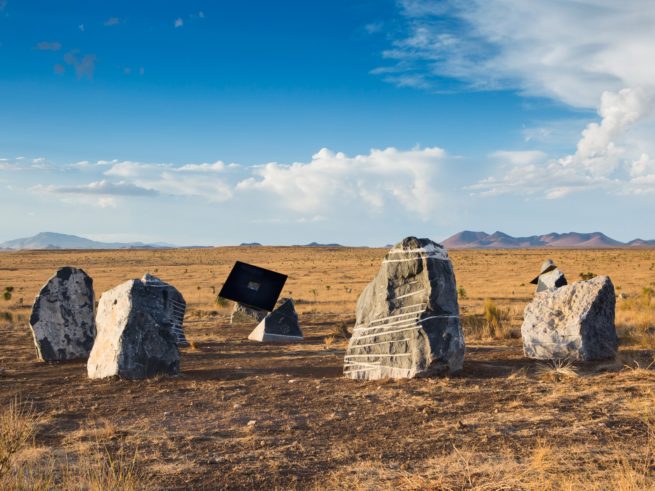
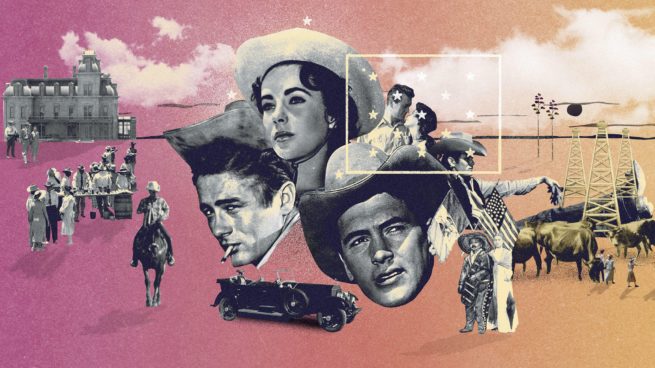
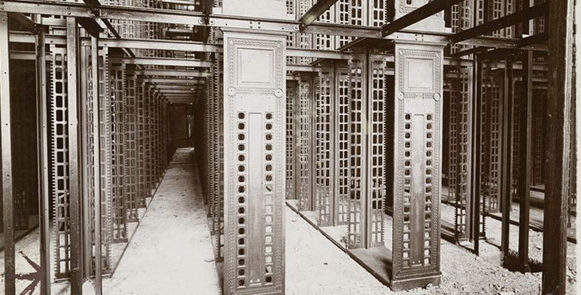
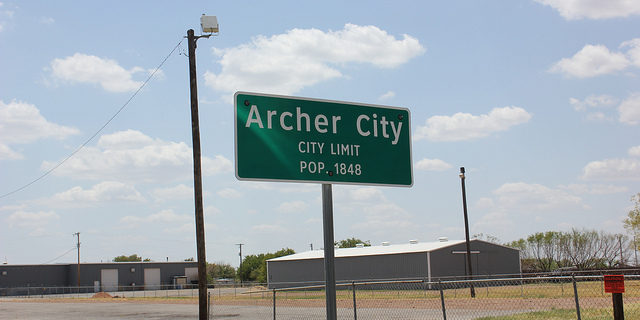
Larry McMurtry’s hometown of Archer City, Texas (pop. 1834), the basis of his 1966 novel The Last Picture Show and setting of the book’s film adaptation, has become a pilgrimage site of sorts in recent years, and not just for McMurtry devotees. Going back at least to 1970, McMurtry has carried on a second career as a used and rare bookseller, lately one of the biggest in the country.

Read more in The Atlantic>

In The Wall Street Journal:

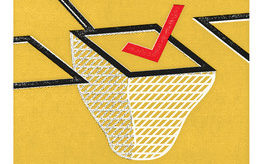
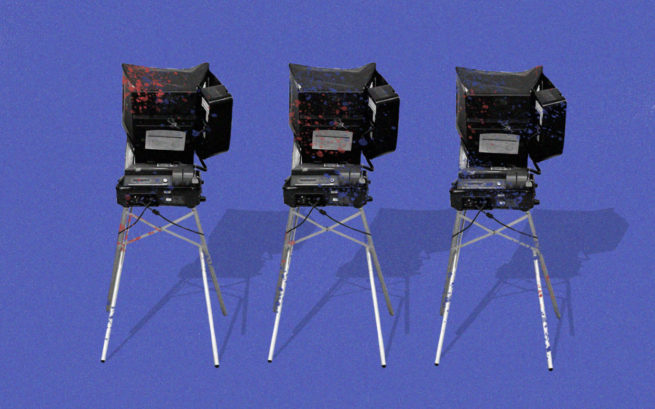
Will The Next Election Be Hacked?

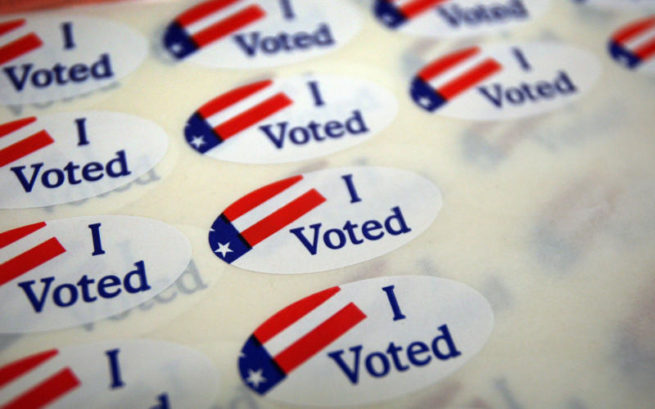
Online voting is on the rise, but experts see it as a nightmare for the integrity of the electoral process

WSJ

Two years ago, hackers gained access to an online voting system created by the District of Columbia and altered every ballot on behalf of their own preferred candidates. On the “Thank You!” page that ran at the end of the voting protocol, they left their trademark—the University of Michigan fight song.

Read more in The Wall Street Journal>

In The Atlantic:

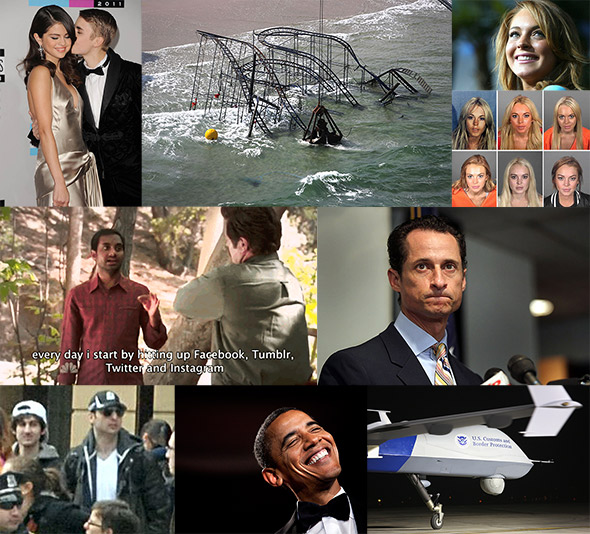
‘Girls,’ ‘Mad Men,’ and the Future of TV-as-Literature

How television is struggling—and often succeeding—at becoming a mature literary form.

agresta_girls_post2.jpg

HBO

It’s become commonplace lately to talk about the serial television show as the novelistic medium of the 21st century—The Wire as a modern-day Dickens novel, Mad Men our Cheever, Friday Night Lights our Steinbeck. One could continue down the line, with Lost as our Michael Crichton and Desperate Housewives our Jacqueline Susann, but the lowbrow serial has been entrenched for decades now; it’s the higher-quality stuff that’s new. Whereas feature films were always limited in comparison to literary novels by their brief and rigorous story arcs, TV is free, theoretically at least, to use a broad canvas and unfold over tens or even hundreds of hours of screen time.

Read more in The Atlantic>